At bedtime
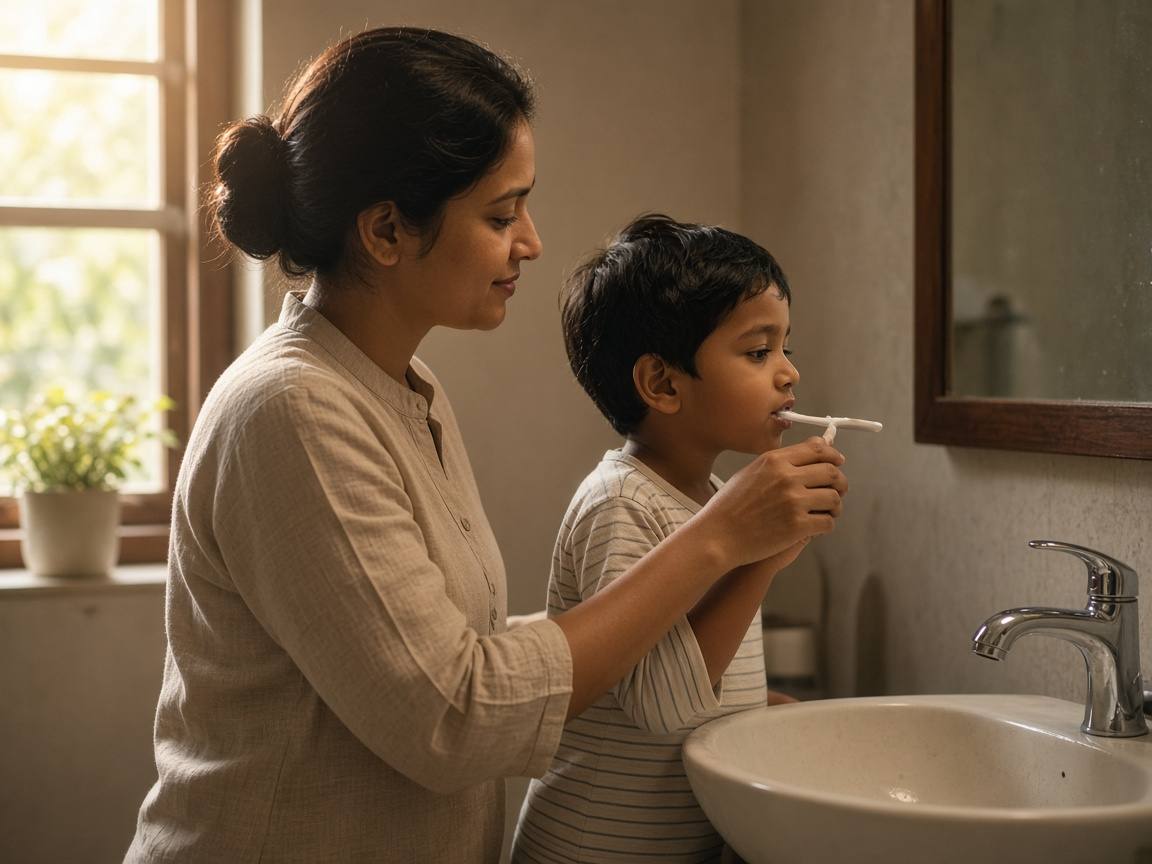
Do not put a child to sleep with milk, formula, or juice still in the mouth. A soft, small toothbrush clears the plaque that leads to decay. Young children cannot brush well alone.
Pediatric and preventive dentistry
In India, a pedodontist is a dentist who goes on to an MDS in Pediatric and Preventive Dentistry. The work is infants, children, and adolescents, including children who need extra support.

What parents are asked to do
Primary teeth
They let a child chew and speak clearly, and they hold a path for the permanent teeth. Milk or juice in a bottle at bedtime is a common way decay starts. Water is the drink for bed.
Prevention
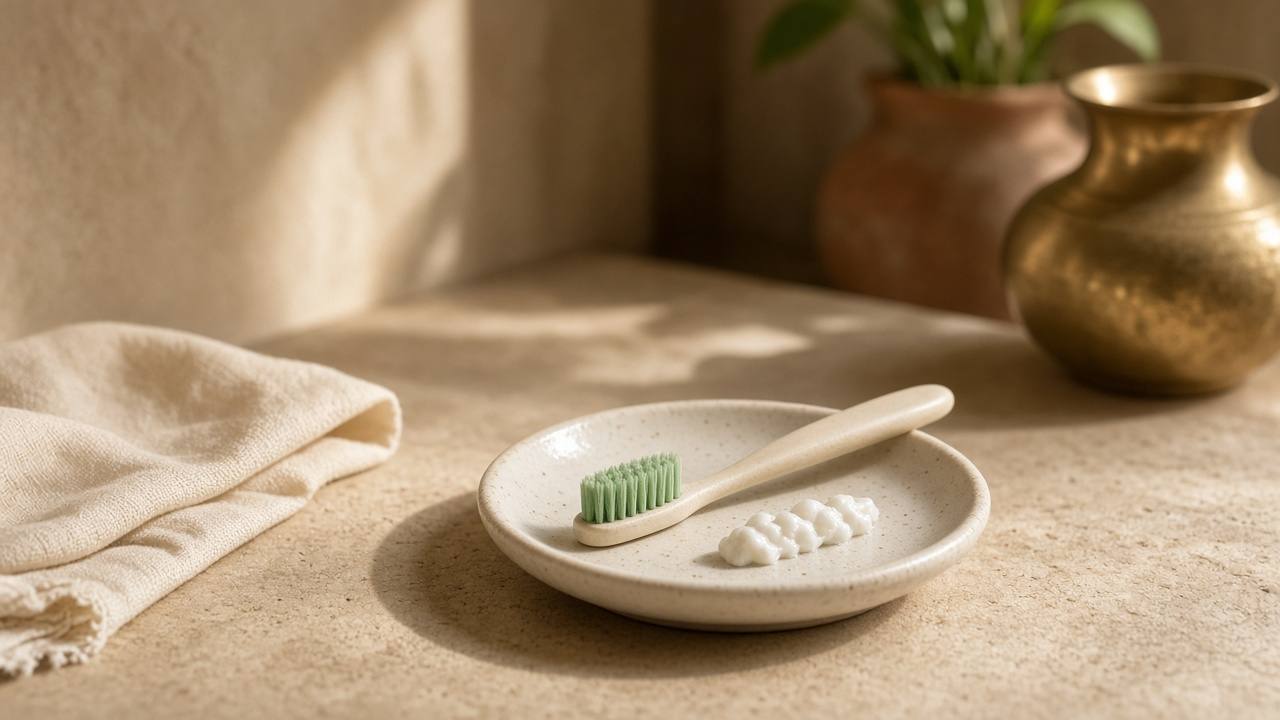
Do not put a child to sleep with milk, formula, or juice still in the mouth. A soft, small toothbrush clears the plaque that leads to decay. Young children cannot brush well alone.
Sealants fill the grooves on chewing surfaces so food cannot sit there. The visit is quick, and the coating can protect those teeth for years.
Groundwater fluoride is uneven. Some districts have too little to protect teeth, and some have enough to mark the enamel. A fluoride toothpaste, in the small amount for that age, is the usual daily protection. Extra drops or tablets are a pedodontist’s decision, not a home experiment.
Thumb or pacifier sucking is usually harmless unless it continues a long time. If it is still going past age three, a pediatric dentist may suggest an appliance.
A soft mouthguard protects teeth, lips, and gums. One made for the child fits more closely than a stock guard.
If a permanent tooth is knocked out, hold it by the crown, not the root. Try to place it back in the socket. If that is not possible, keep it in milk and see a pediatric dentist immediately.
The practice
A pedodontist. Clinic address, hours, and how to book are not on this page yet.